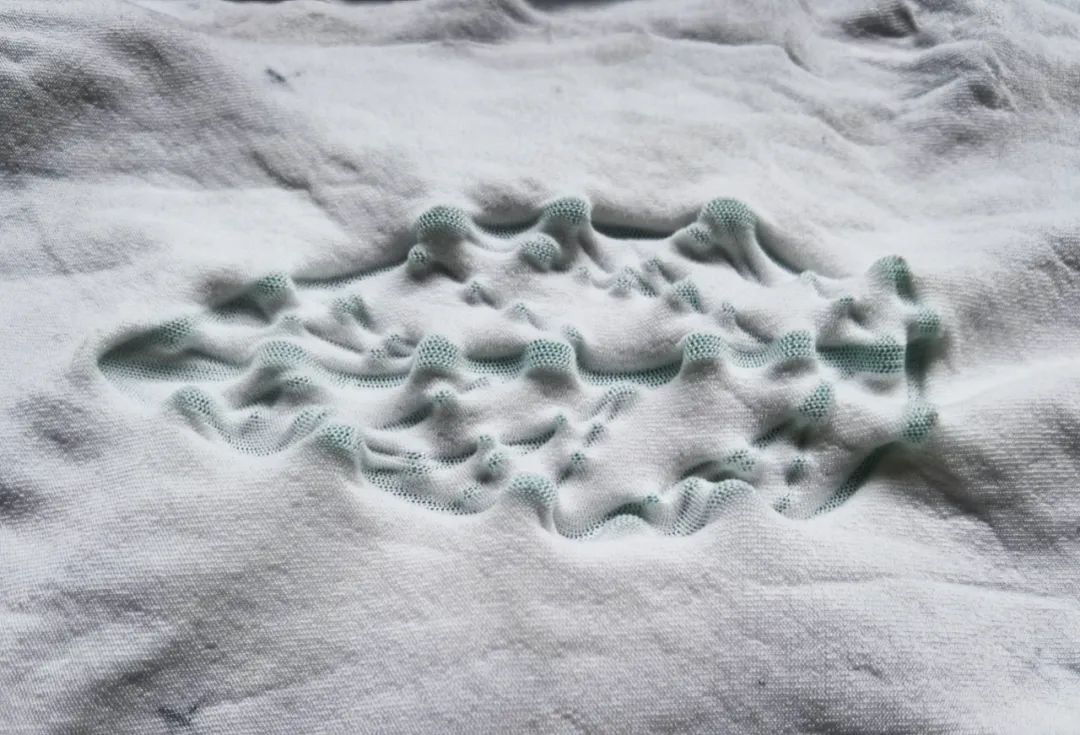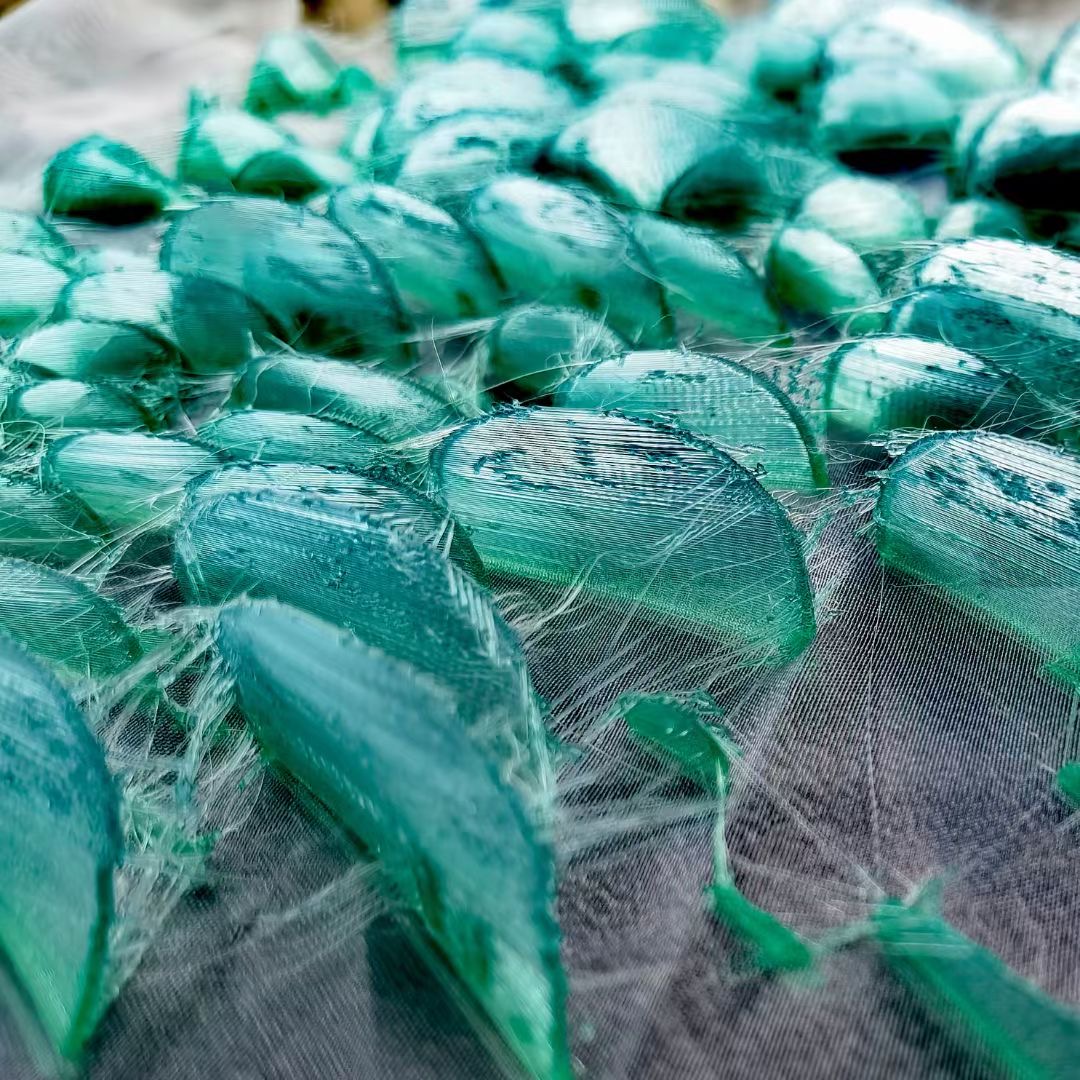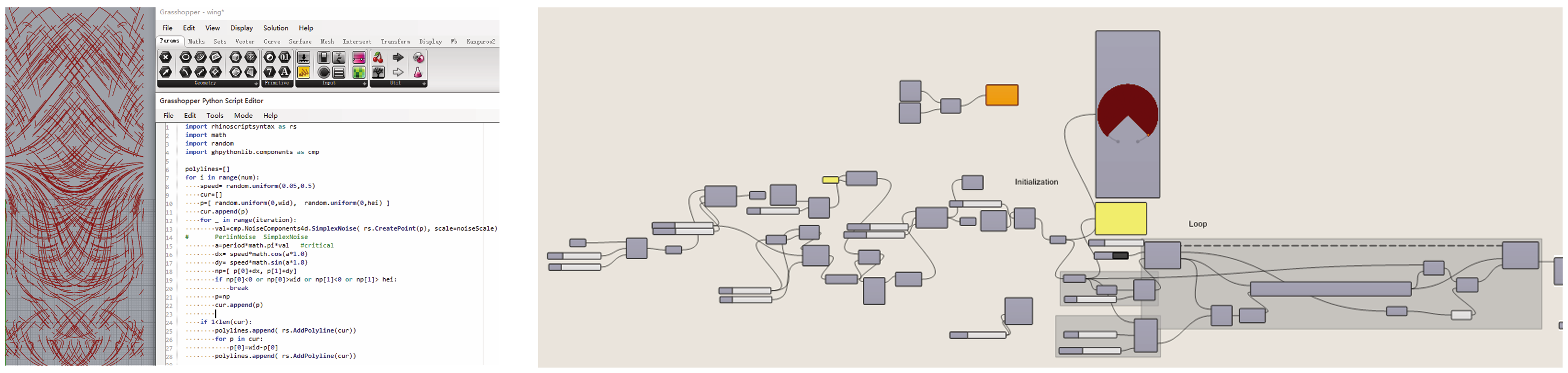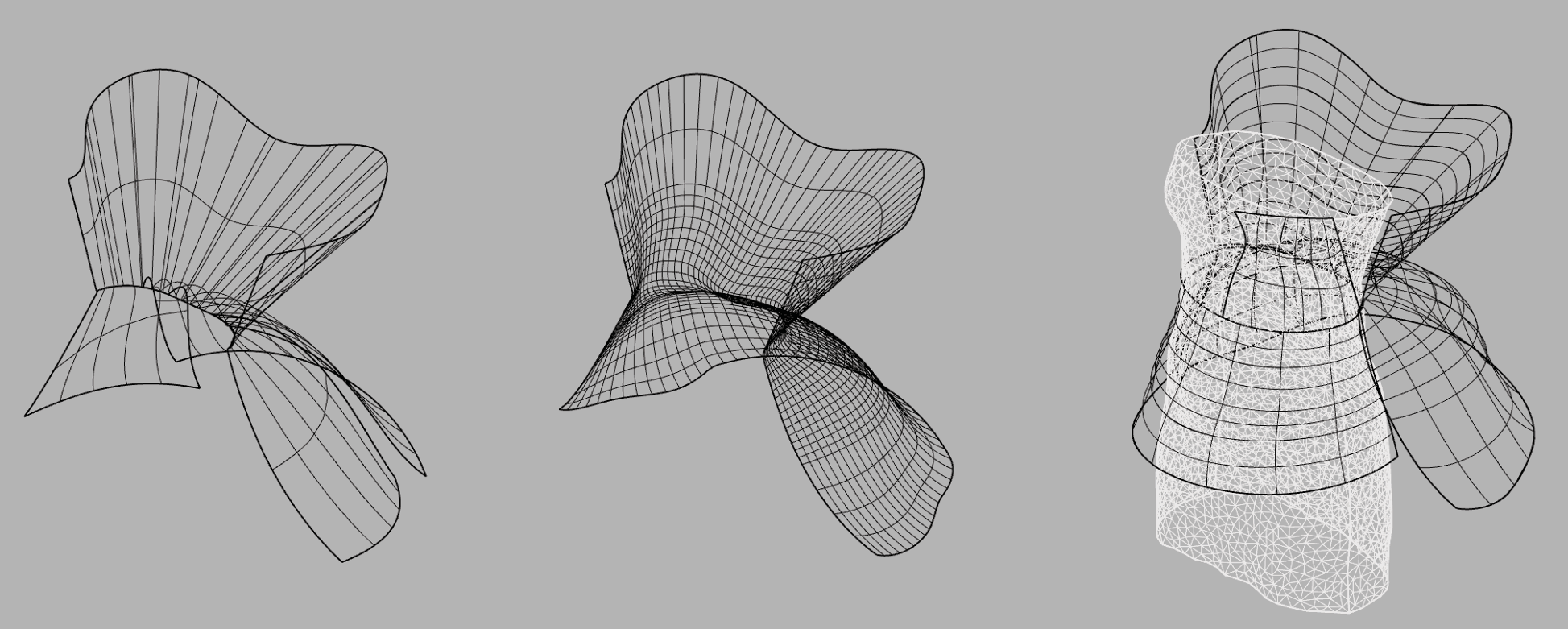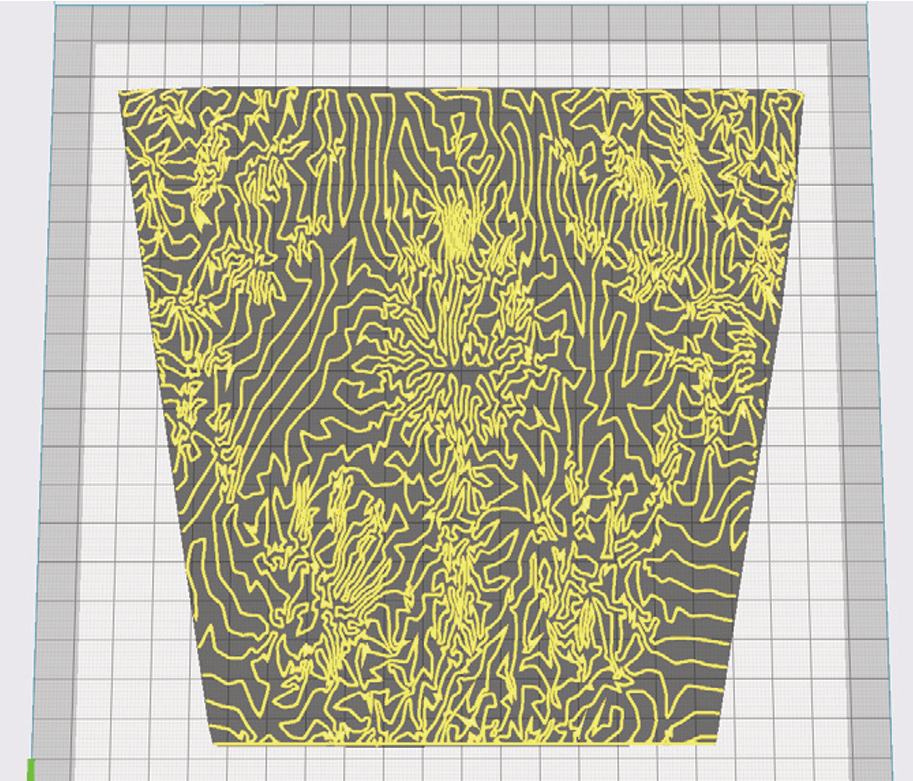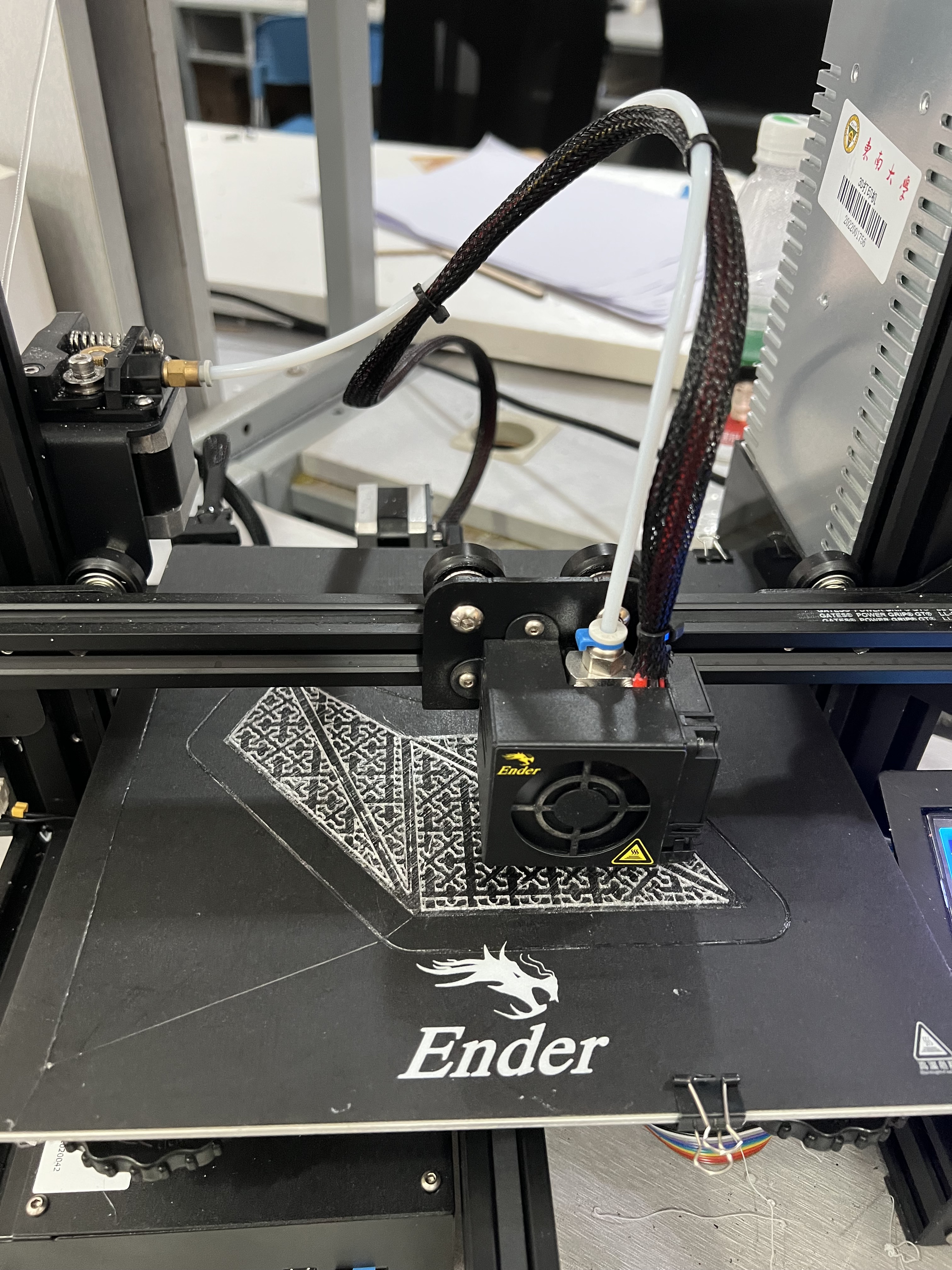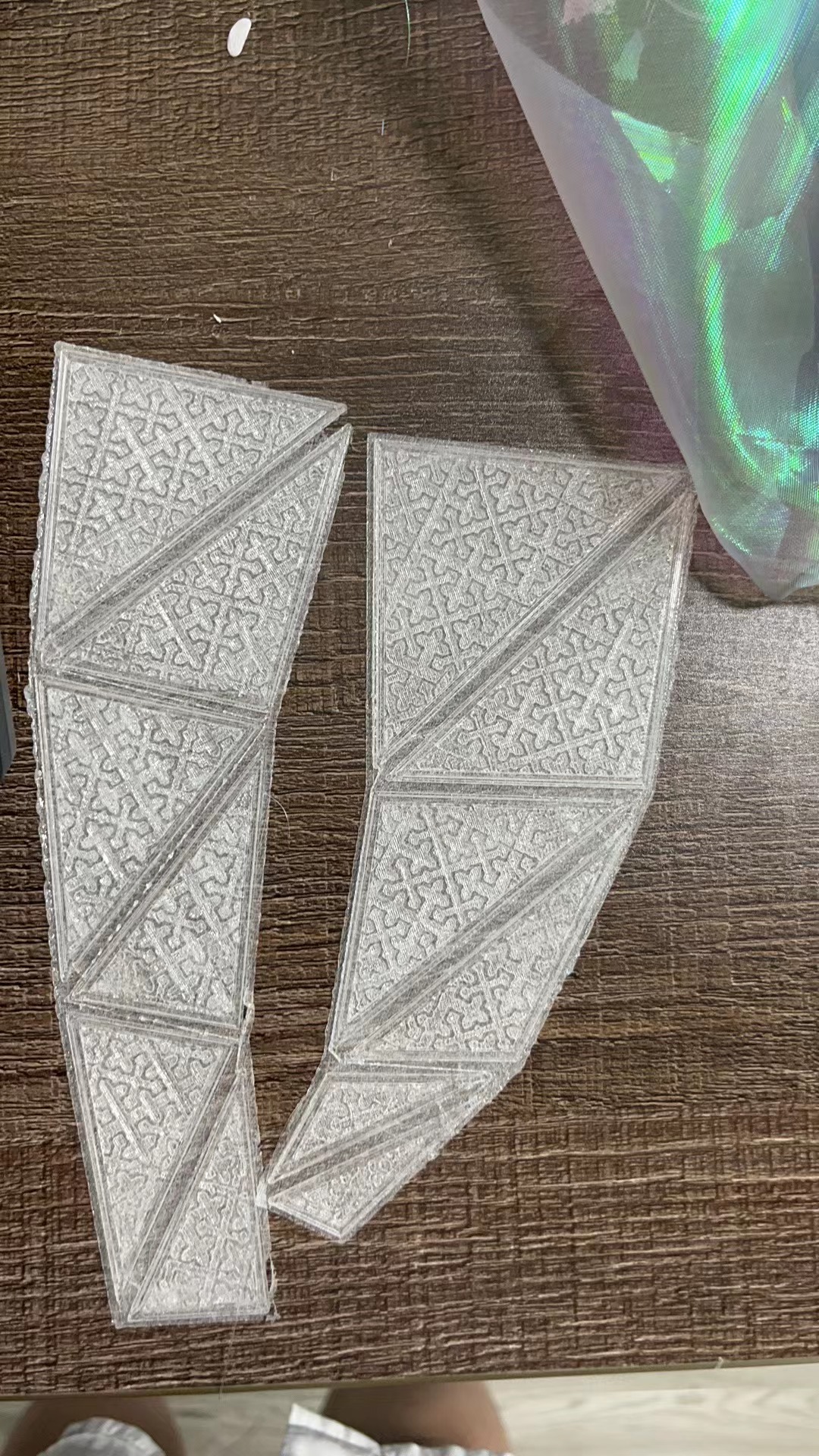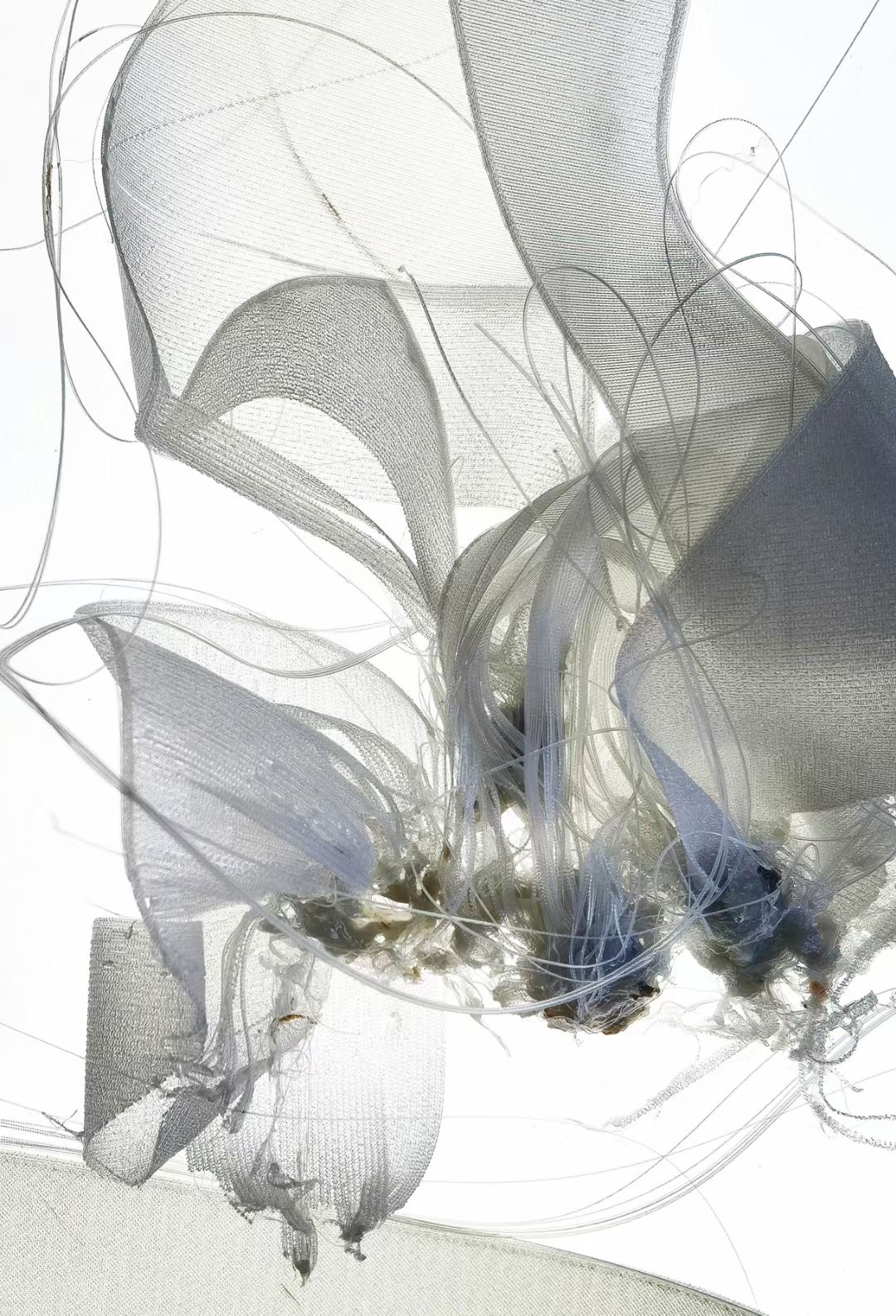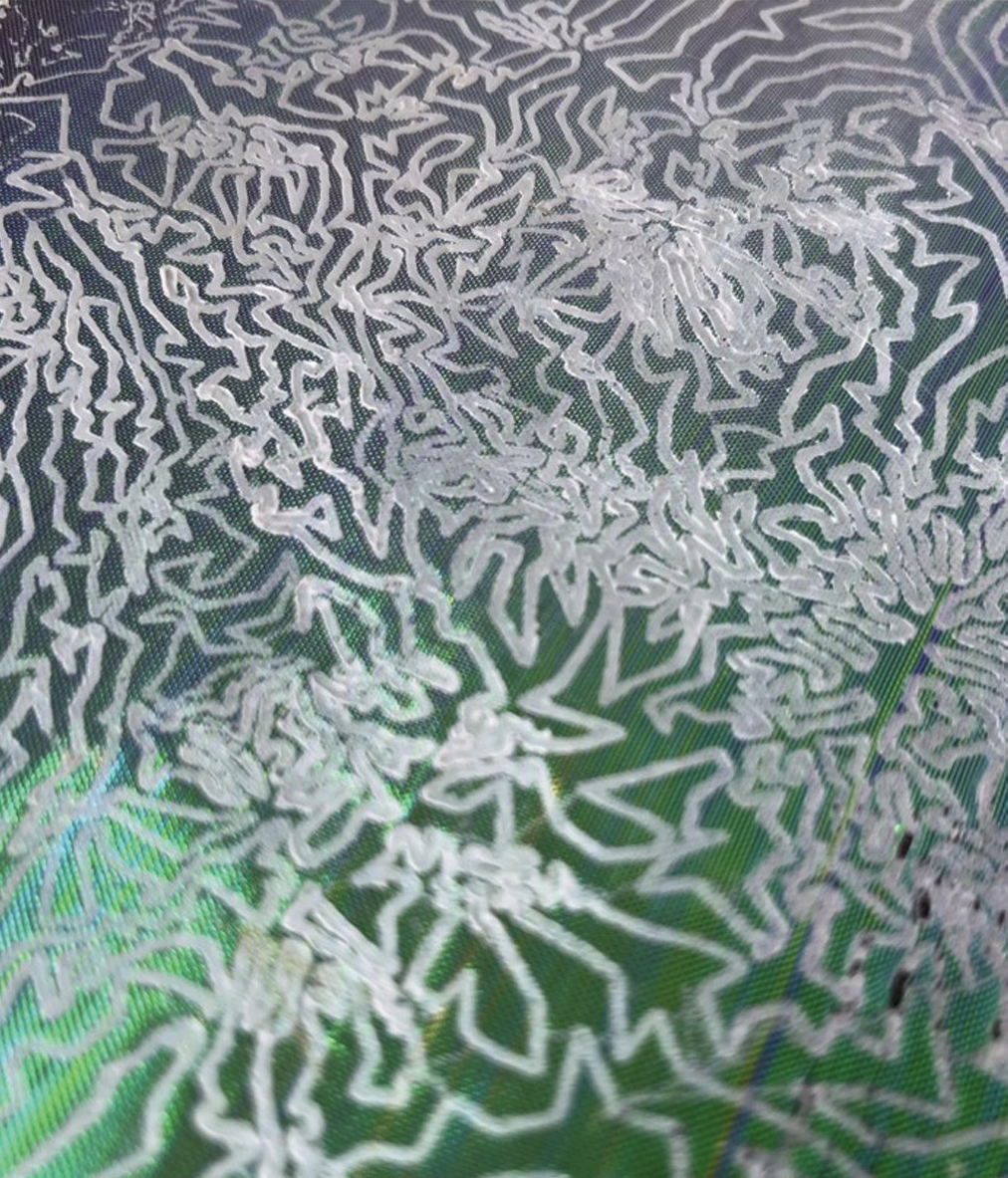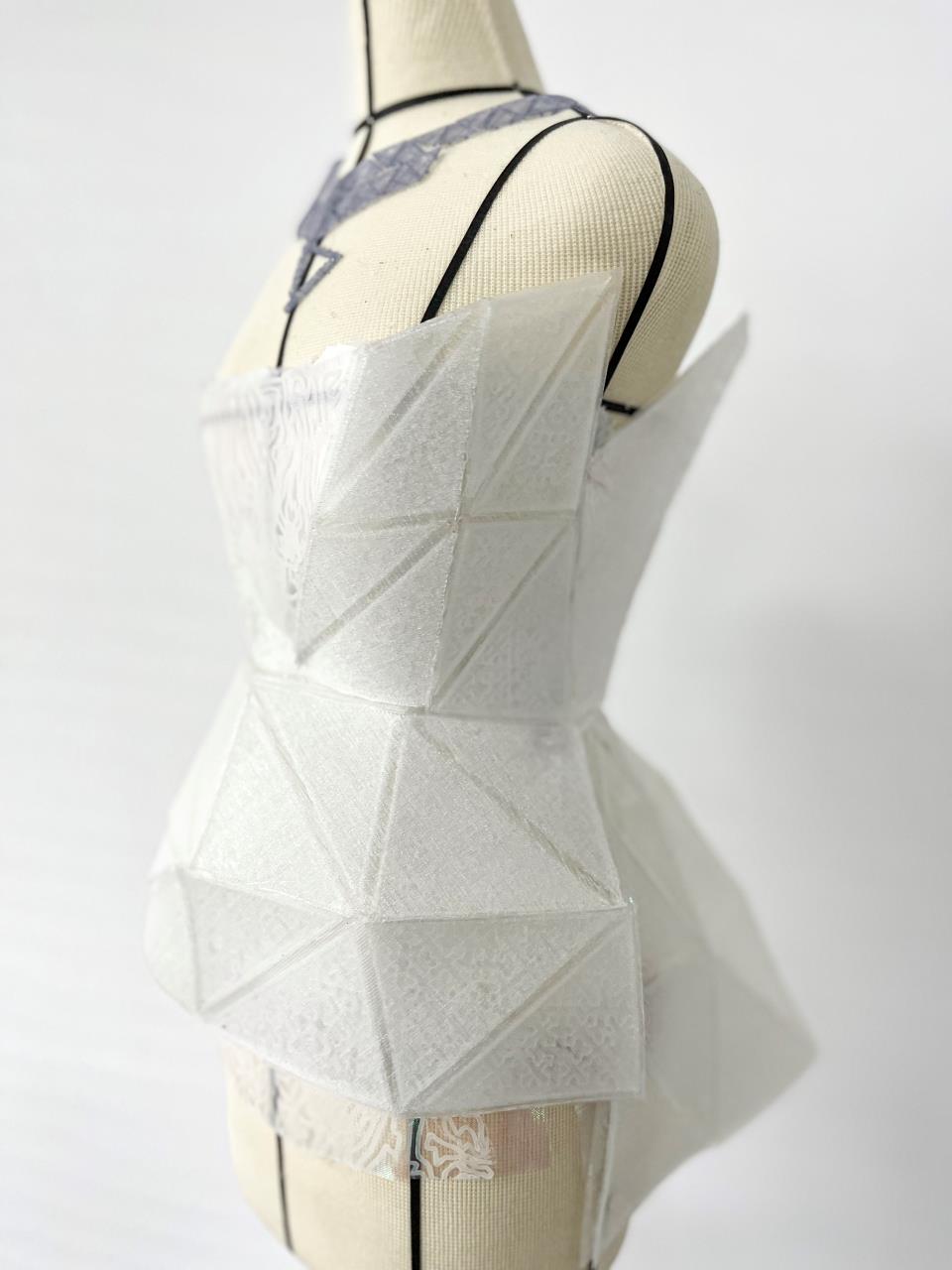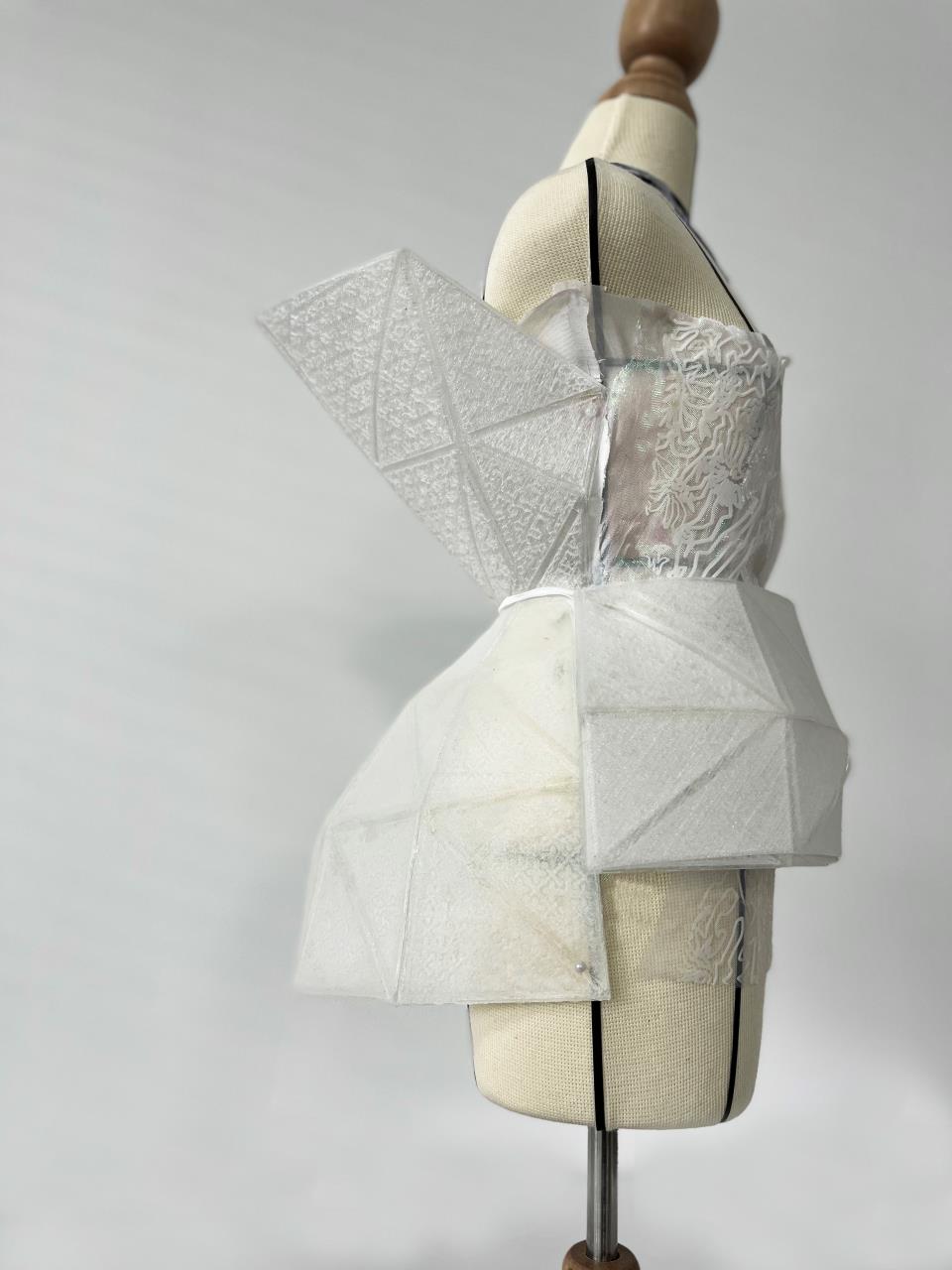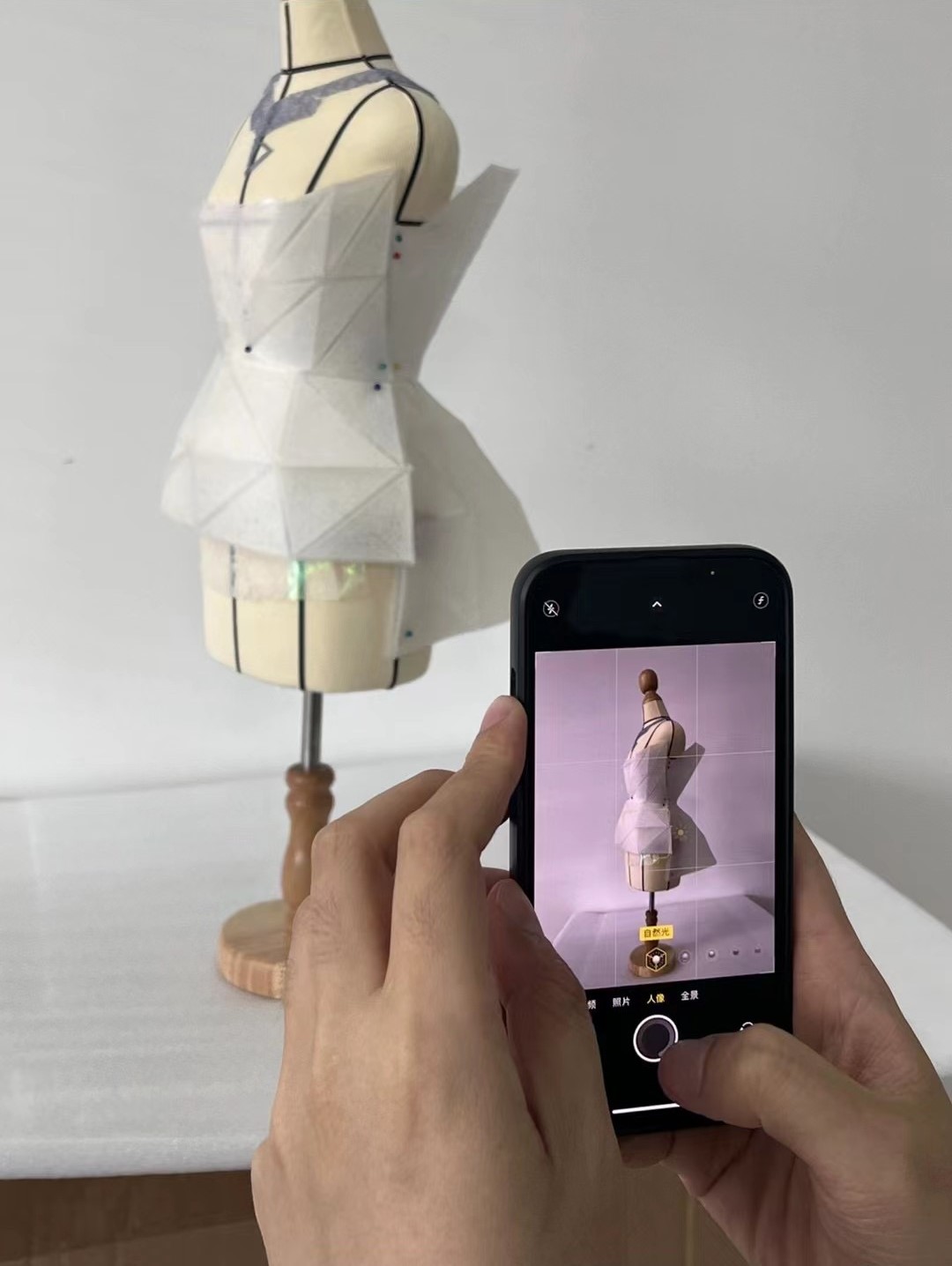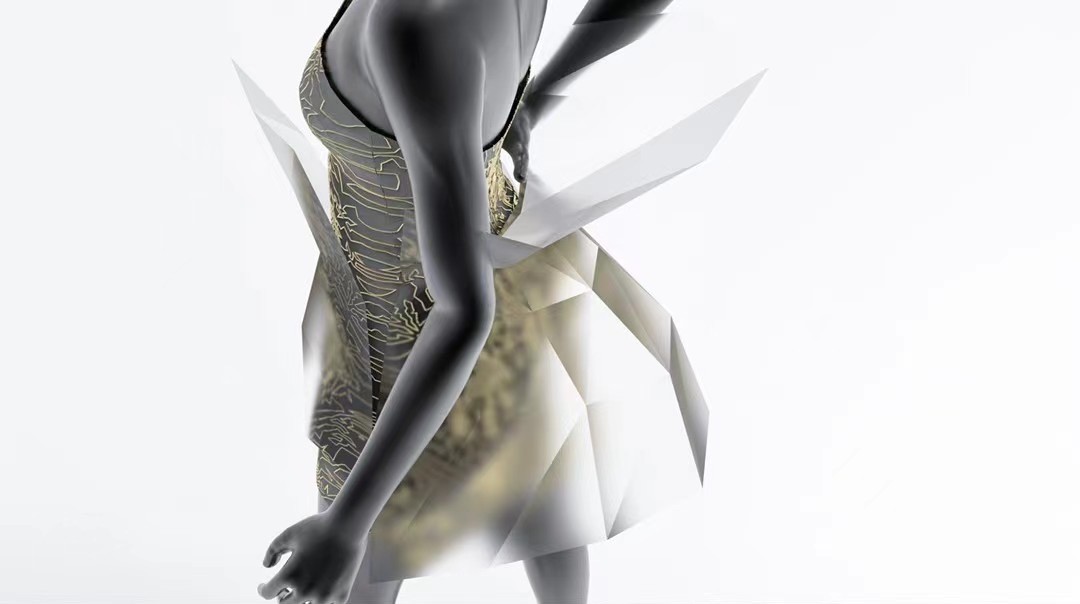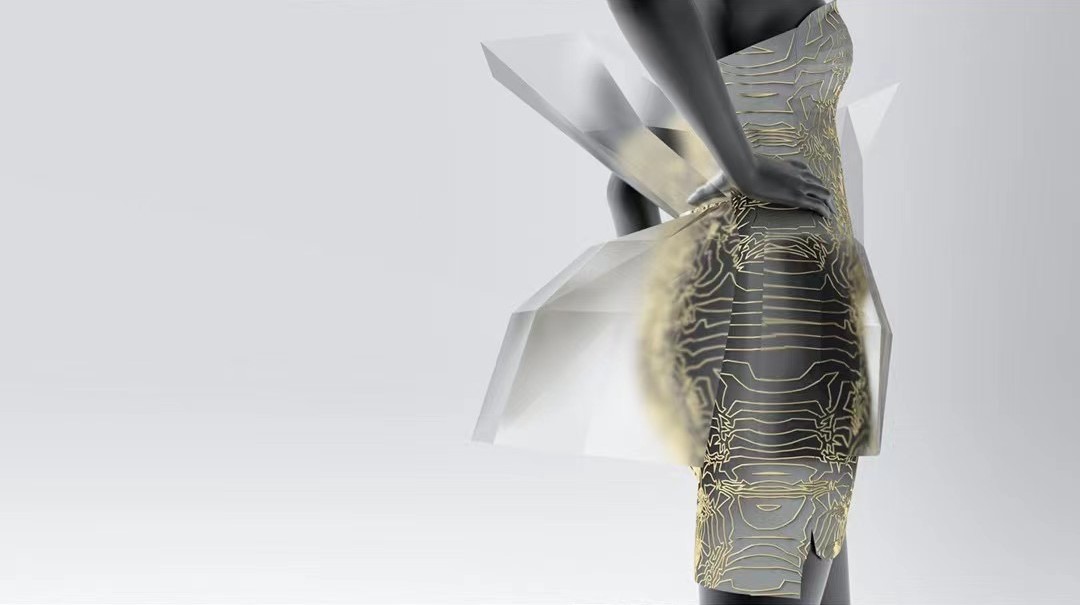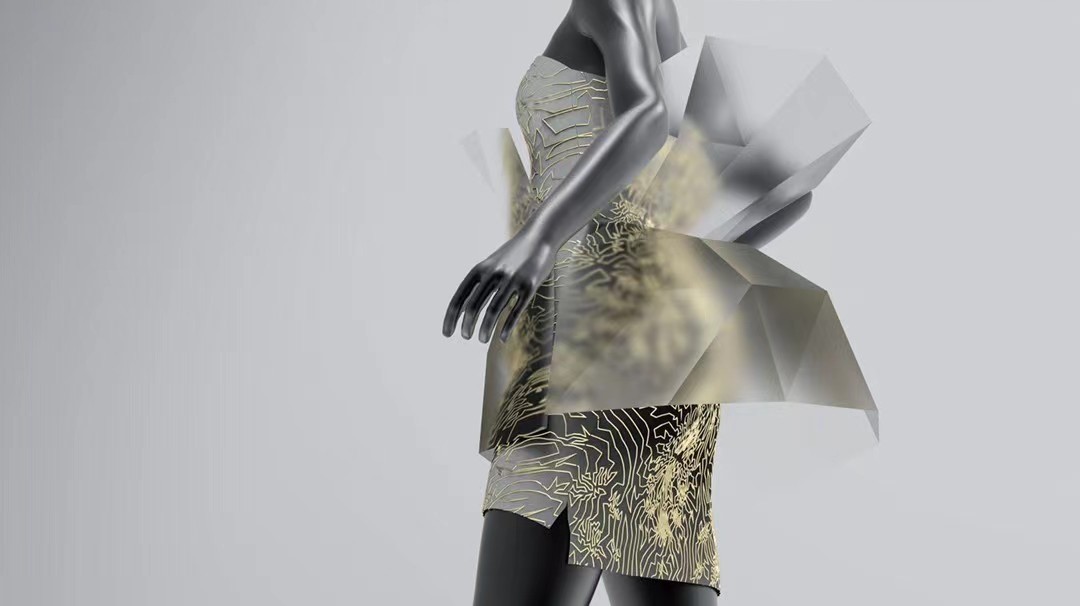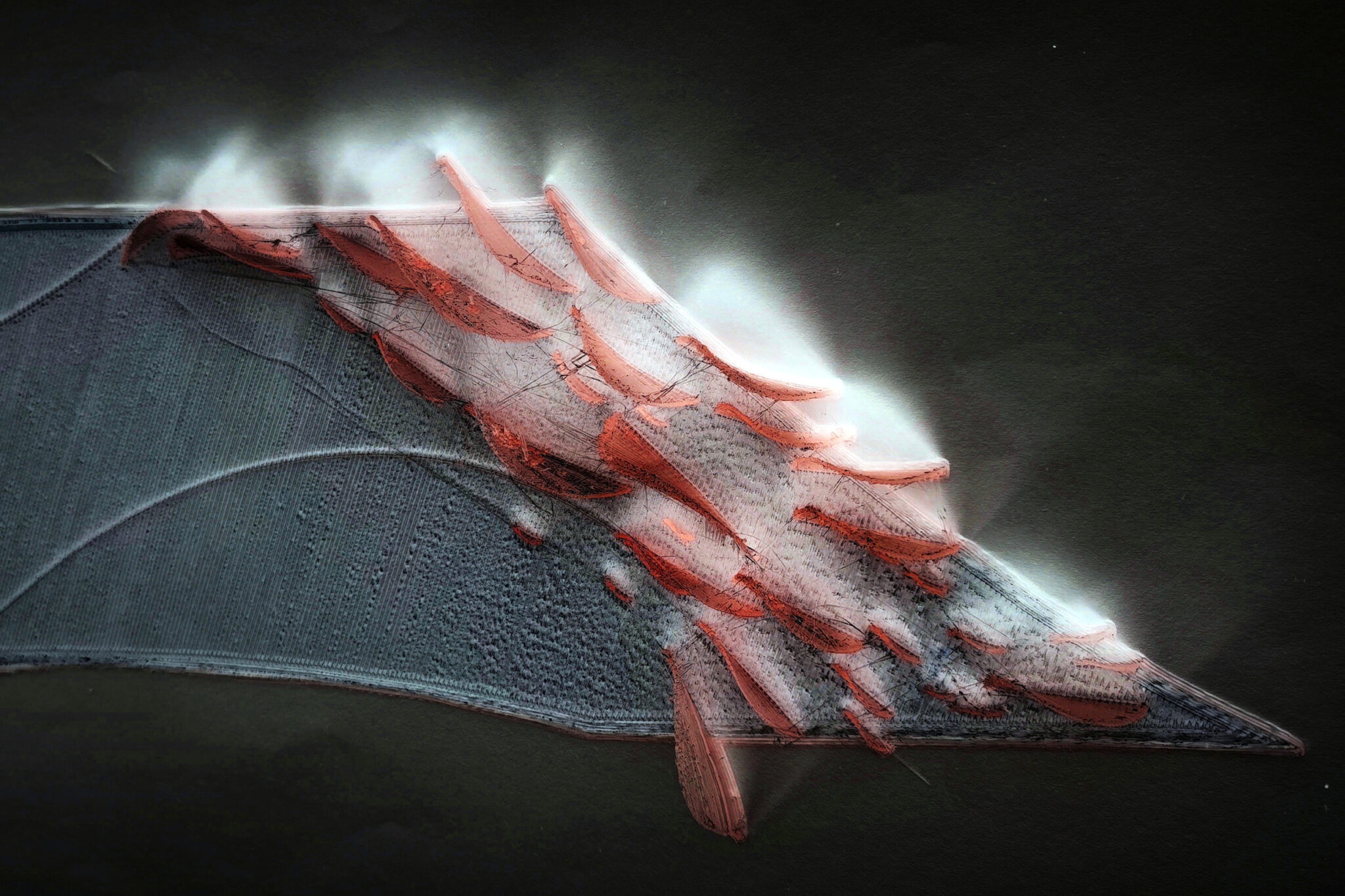
Emerging 3D printing technologies are forging entirely new types of fabric, and they are a significant impetus for architects to engage with custom fashion design. In particular, flexible TPU printing and FDM combined with textiles open up novel possibilities for fashion silhouettes and fabric texture. Many fabric printing experiments end in failure or flaws, yet interacting with the fabric directly by hand or against the body reveals how to adjust its geometric structure or the printing technique itself.
Designers strive to produce fabrics that meet predefined characteristics, but the iterative process of experimentation can also lead to entirely new ideas. In this sense, design research and manufacturing experiments complement each other. The development of 3D fabrics grounded in computational design spans architecture, fashion design, information technology, and automation, and it draws equally on cultural ethos, artistic sensibility, mathematical logic, and practical craft. We believe it will become an intrinsic part of fashion design practice.
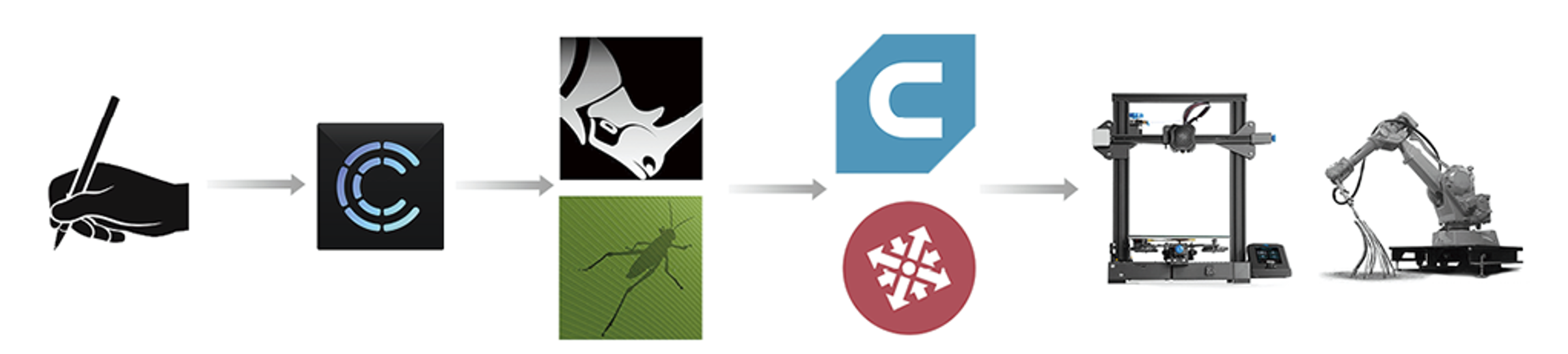
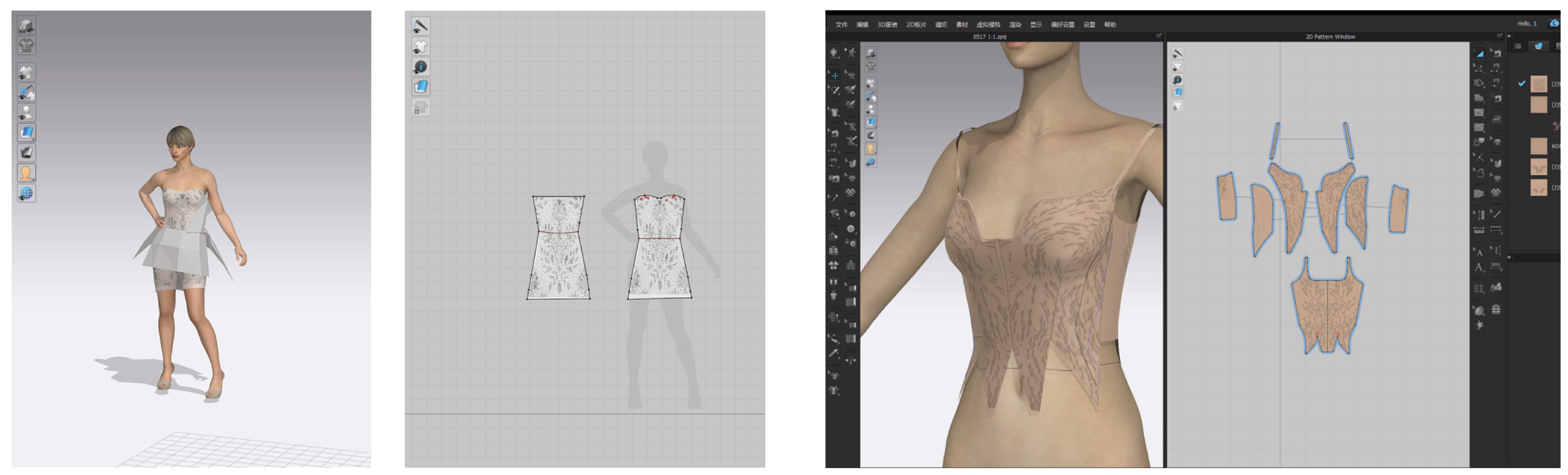
This project focuses on customized 3D printing techniques for garments, exploring how fabrics can effectively integrate with various materials to form complex self-forming mechanisms. It involves digital adjustment of the fabric's texture, performance, and appearance, innovating fashion design through customized processes.