Junke Zhao

Kinetic Shade

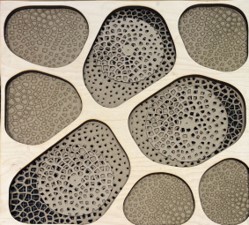
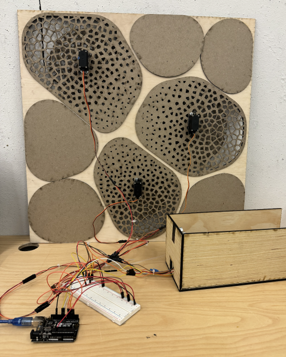
Exploring the spatial experience resulting from user interaction with building facade design through an adaptively sensing curtain wall system enabled by digital fabrication and physical computing.

Team Member
Junke Zhao
Angie Wang
Ankita Sinha
Duration
Apr 2024 - May 2024
Contribution
Concept Design, Coding, Fabrication, Assembly, Rendering and Animation

Background

In contemporary architecture, kinetic systems such as facades are predominantly designed to operate autonomously, responding to predetermined schedules or environmental sensors. However, this often overlooks the potential for direct engagement with building occupants. Our project aims to redefine this paradigm by integrating occupant interaction into architectural kinetic assemblies, thus fostering dynamic user experiences within built environments.

Research Question

How can we augment the human experience when interacting with kinetic environments?
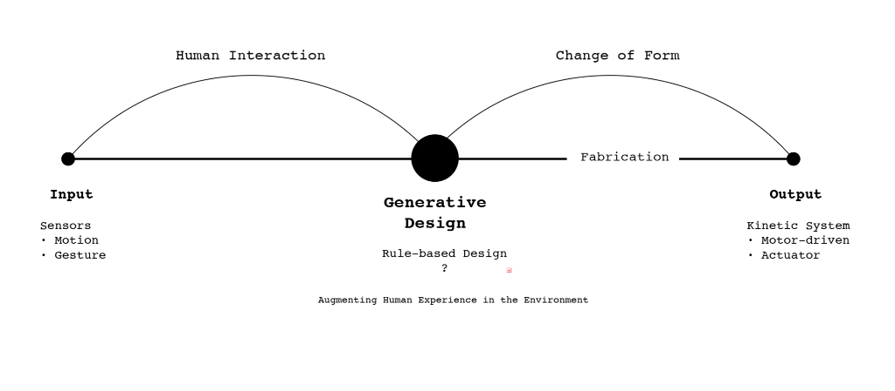
Workflow

Workflow Diagram

Input Methods

Iteration 1: Weight Sensing with Load Cell Module

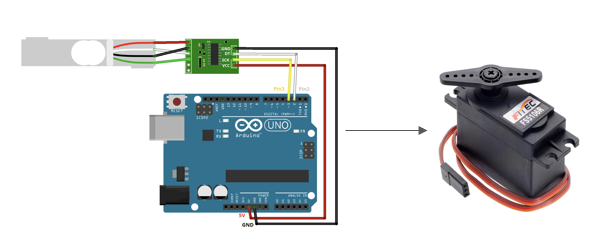
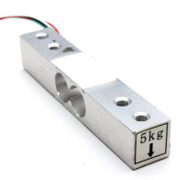
The load cell bar operates on the principle of strain gauge technology, where deformation of the gauge due to applied weight changes its electrical resistance. An amplifier module then reads these changes and converts them into a digital signal that the Arduino uses to trigger motor movement when human presence is detected.

Load Cell Setup
Load Cell Circuit

Limitations:

  • Poor Capacity: Hold only up to 5kg
  • Only detects the presence of human, lack of range in interaction
  • Limited in Accuracy

Iteration 2: Motion Detection with IR Beam + Ultrasonic Ranger

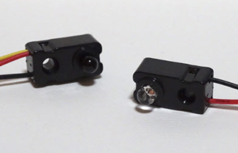
IR Break Beam Sensor

IR break beam sensor, which consists of an emitter that sends out an infrared light and a receiver that detects the presence of that light. When something breaks the beam, the interruption is detected by an IR receiver.

IR Sensor

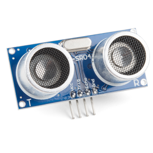
Ultrasonic Sensor

When activated, the ultrasonic ranger emits sound waves. The time it takes for the echo to return is used to calculate the object's distance. This distance measurement then informs the Arduino how to control the motor's rotation to a corresponding angle based on the detected presence.

Ultrasonic Sensor

Limitations:

  • Cannot sense far objects
  • Sensing responsive time increasing after long time running

Output Form Finding

Step 1: Basic Form Finding

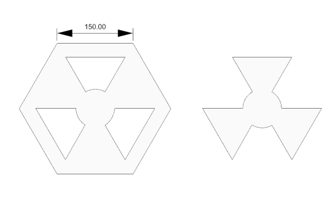
Interaction Experiment On Single Component
Testing Multiple Component Combinations
Testing Multiple Component Combinations And Collaboration
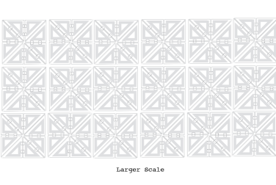
Generating Large-scale Patterns

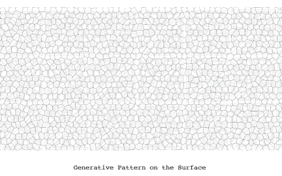
Step 2: Texture Generating

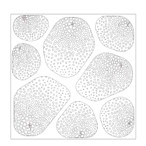
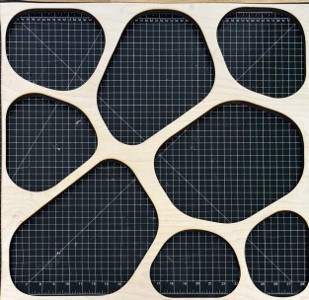
Frame Generation
Frame Generation
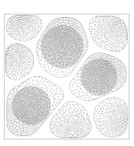
Frame Fill
Frame Fill
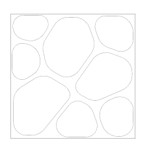
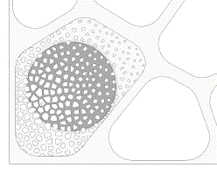
Panel Generation
Panel Generation
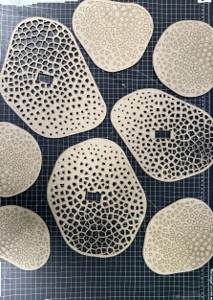
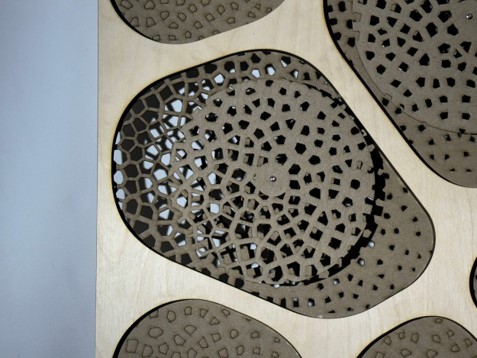
Panel Detail
Panel Detail
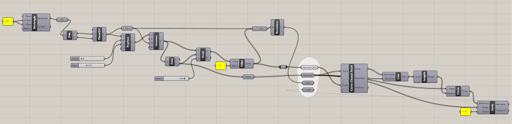
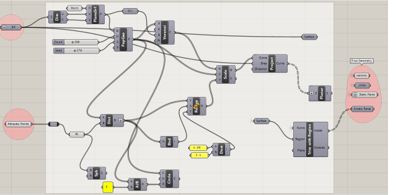
Grasshopper Definition 1
Grasshopper Definition 2
Model Generation in Grasshopper
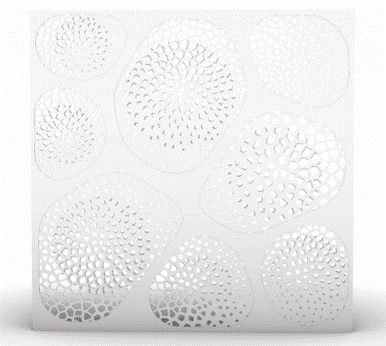
Final Render
Rendering

Fabrication and Assembly

Structure - 6mm plywood
Panel - 2.5mm Chipboard
Assembly
Assembly
Wiring and Sensor Installing
Panel Detail
Panel Detail
Final Output
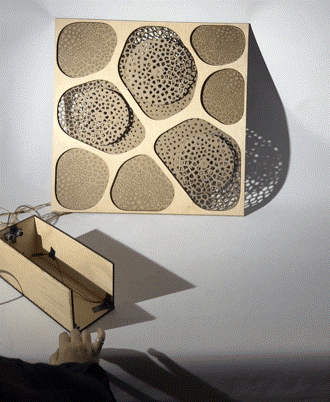
Final Output

Final Outcomes

Kinetic Movement 1
Kinetic Movement 2
Kinetic Movement 3
Responsive Interaction
Simulating Animation